Tagged: “Forgiveness Process”
In your most recent answer to my question about scholars misunderstanding the term forgiveness, can you give an example of a failure of some scholars to understand forgiveness in its “full sense” and a failure of some other scholars to understand forgiveness in “a true sense”?
A failure to understand forgiveness in its full sense, for example, is when a scholar equates forgiveness only with a part of what forgiveness is in its essence. An example of this is equating forgiveness only with a motivation to forgive. A motivation to forgive is one component of forgiving, but not the entire essence of it, as I explained in an earlier answer. A failure to understand forgiveness in its true sense, for example, is when a scholar claims that we can forgive situations, such as when a tornado strikes one’s house. Because you cannot be good to a tornado, it follows logically that you cannot forgive a tornado or any other non-human entity. Situations are non-human entities. Therefore, you cannot forgive situations, despite some scholars’ claim to the contrary.
I will never forgive my ex- without his apology. Forgiveness is conditional, right? We should withhold forgiving until the other apologizes. This gives me a sense of respect.
Actually, forgiving unconditionally, without the other first apologizing, is important. Otherwise, you give the other person too much power over your own healing, over your own inner peace. Here is an essay from Psychology Today in which I defend the idea that forgiveness does not require an apology from the one who acted unjustly:
Why Forgiving Does Not Require an Apology
Does the brain cause people to forgive?
I have addressed this question in a Psychology Today blog here: Does Your Brain Cause You to Forgive?
The short answer is: I do not think so. There can be a confusion of cause and effect. As people willingly practice forgiving, brain structures can alter. In other words, it is not the brain’s existing structure that causes forgiveness but the continual practice of forgiveness that may lead to an alteration of the brain.
Forgiveness Education Is Peace Education
A 10-week forgiveness education curriculum can be an important component of peace education for students according to a newly published study by Dr. Suzanne Freedman, a Professor of Educational Psychology at the University of Northern Iowa.
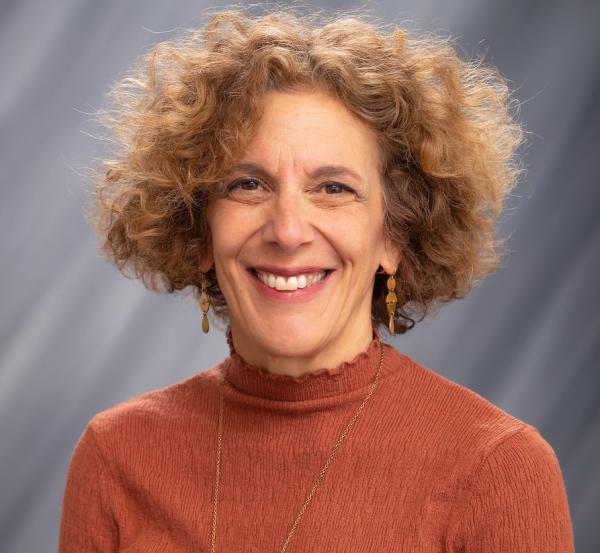
Dr. Suzanne Freedman, Professor, Co-chair of the College of Education Diversity, Equity & Inclusion Committee, University of Northern Iowa.
Dr. Freedman, a long-time research associate of International Forgiveness Institute co-founder Dr. Robert Enright, conducted the project with three classes of fifth graders. The resulting study was published in the April issue of Peace and Conflict: Journal of Peace Psychology, an American Psychology Association (APA) publication.
The forgiveness education curriculum used for the project was jointly developed by Drs. Freedman and Enright and employed the Process Model of Forgiveness developed by Dr. Enright. The project incorporated Social-Emotional Learning (SEL) approaches that taught students healthy ways to express anger and other feelings, understand the perspective of others, and practice empathy and kindness.
This article illustrates how forgiveness education can be infused into the curriculum and the importance and benefits of doing so. Readers will learn more about forgiveness as well as how promoting forgiveness as a virtue to students can reward the forgiver, the forgiven, and society at large.
Dr. Suzanne Freedman
“Results from this study illustrate that a 10-week forgiveness education curriculum can be an important component of peace education for fifth grade students,” according to the published report. “Students showed increased forgiveness toward a specific offender and increased knowledge about forgiveness after receiving the education, and students’ verbal reports illustrate that they enjoyed and benefited from this specific curriculum using children’s literature.”
Learn more:
Read the full study – “Forgiveness education as a form of peace education with fifth-grade students: A pilot study with implications for educators.”
The Value of Forgiveness – An article outlining the benefits of forgiveness and the forgiveness education work of Dr. Suzanne Freedman at the University of Northern Iowa.
It’s Okay to Not Be Okay – A guest blog by Dr. Freedman on the importance of helping teens understand the role forgiveness plays in their psychological health.
Greater Good in Education Promotes Forgiveness/Character Education – An internationally-acclaimed organization has created an entire “best practices” forgiveness component for educators based on Dr. Freedman’s 5th grade curriculum guide.
The Psychology of Interpersonal Forgiveness – In this article written for SEL in Action, a publication for educators, Dr. Freedman debunks several misconceptions about forgiveness.
I am in a close relationship with someone I hurt. I have asked for forgiveness from her but I keep getting ignored. Does it ever get to a point that I can demand forgiveness when I know that the other person is just being stubborn?
I sympathize with your frustration. You are ready to be forgiven and the other is not ready to give it to you. You should realize that forgiveness is not something that you can demand from someone. That person is not obligated in an ethical sense to give forgiveness until she is ready. Some religions ask a person to forgive under certain circumstances (such as happens in some of the rituals at Yom Kippur in the Jewish faith, for example). If the one from whom you are seeking forgiveness is under no religious obligation to forgive, I suggest three things: patience, patience, and patience. A little encouragement from you for her to forgive probably would be a good idea, but done sparingly and gently.